
|
Getting your Trinity Audio player ready...
|
Water storage is no longer optional. Whether you run a small business, manage agricultural land, or simply want backup supply at home, a 2000 gallon water tank can solve serious water storage challenges in one smart move.
But here’s the thing not all tanks are the same. Material, placement, local climate, regulations, and intended use all matter. In this guide, you’ll find real, research-backed information from trusted sources such as the U.S. Environmental Protection Agency (EPA), the Food and Agriculture Organization (FAO), and engineering standards used in water storage systems.
Let’s break it down properly.
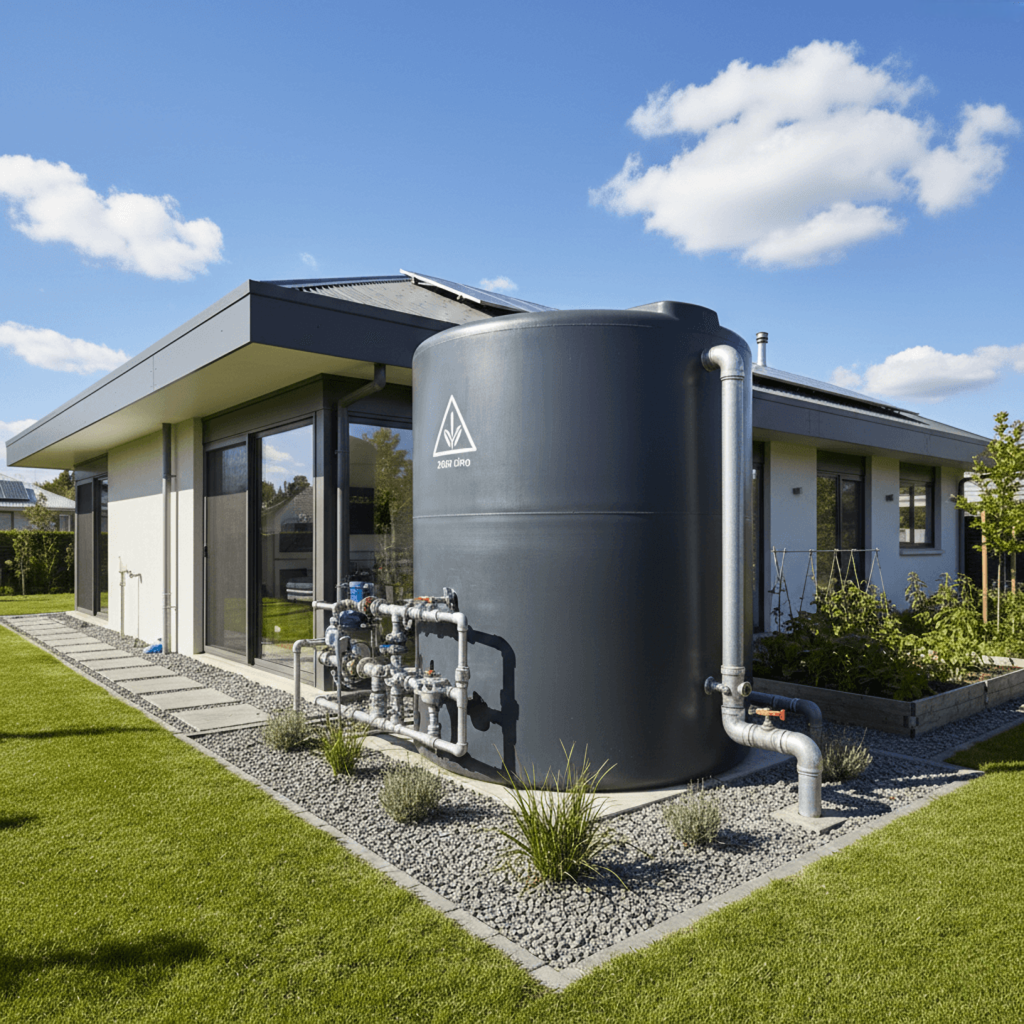
What Is a 2000 Gallon Water Tank?
A 2000 gallon water tank is a storage container designed to hold approximately 7,570 liters of water (1 U.S. gallon = 3.785 liters).
That amount of water can:
- Supply an average household for several weeks (depending on usage)
- Support irrigation systems
- Store rainwater for non-potable use
- Provide emergency water backup
- Support small commercial or industrial operations
According to the U.S. Geological Survey (USGS), the average American uses about 82 gallons of water per day at home. That means 2000 gallons could theoretically support one person for about 24 days. Of course, actual usage varies by region and habits.
So yes it’s a serious amount of water.
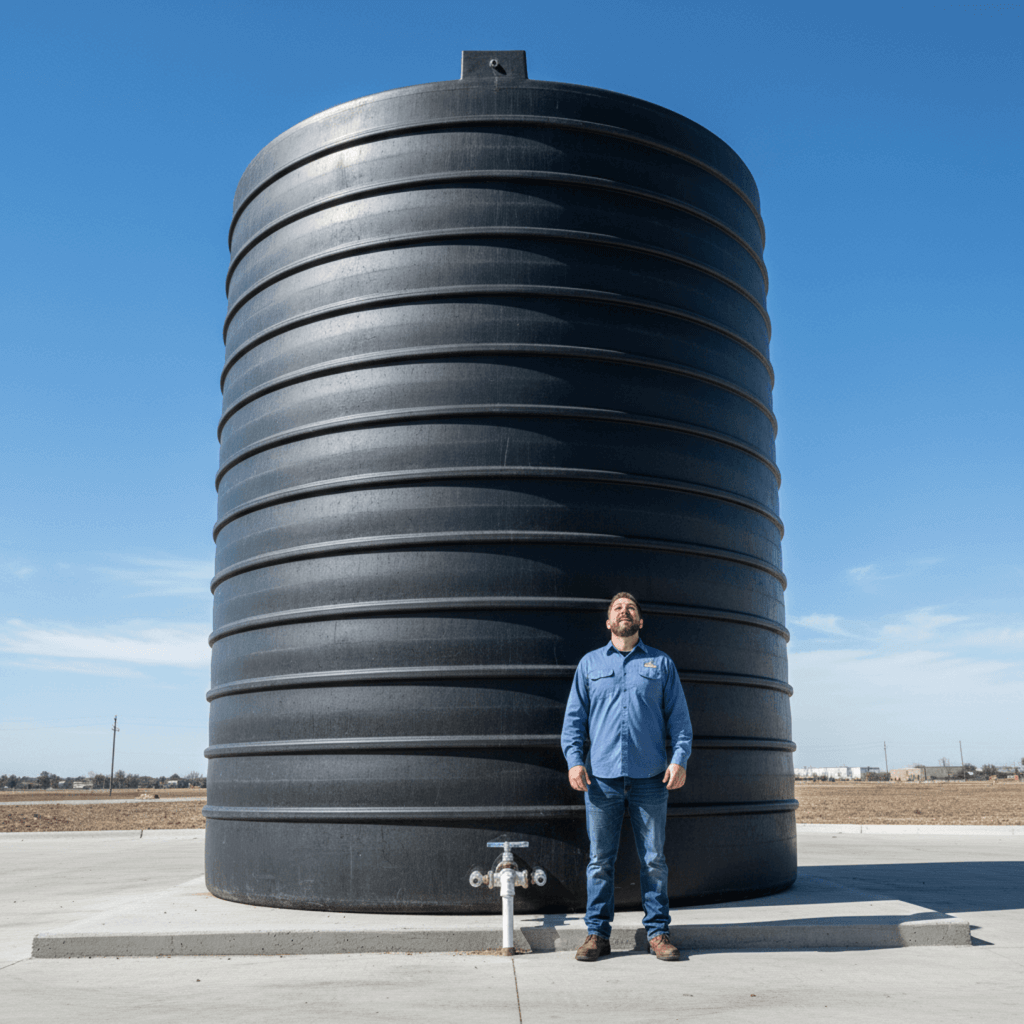
Why Choose a 2000 Gallon Water Tank?
You don’t buy a tank like this “just in case.” You buy it for strategy.
1. Emergency Preparedness
The Federal Emergency Management Agency (FEMA) recommends storing at least one gallon of water per person per day for emergencies. A 2000 gallon water tank can serve large households, communities, or facilities during natural disasters or supply interruptions.
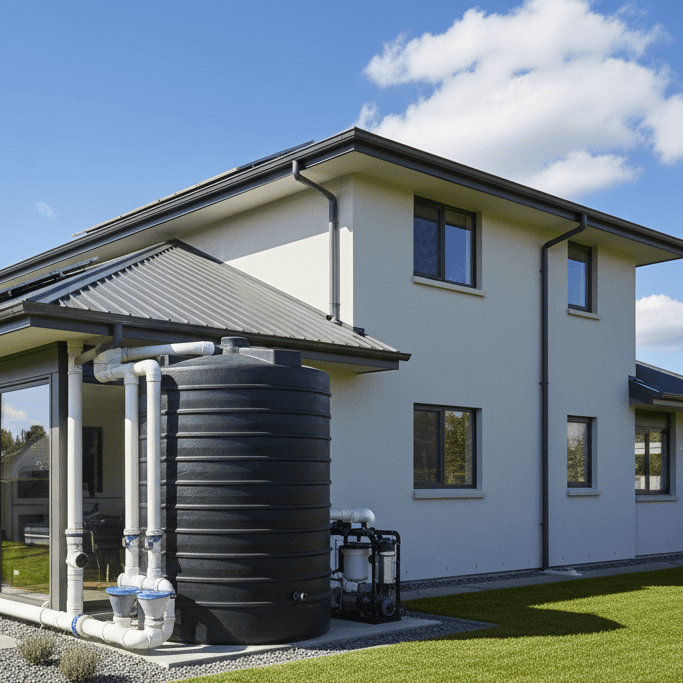
2. Rainwater Harvesting
The EPA encourages rainwater harvesting as a sustainable water management practice. A 2000 gallon water tank pairs well with rooftop collection systems, especially in areas with seasonal rainfall.
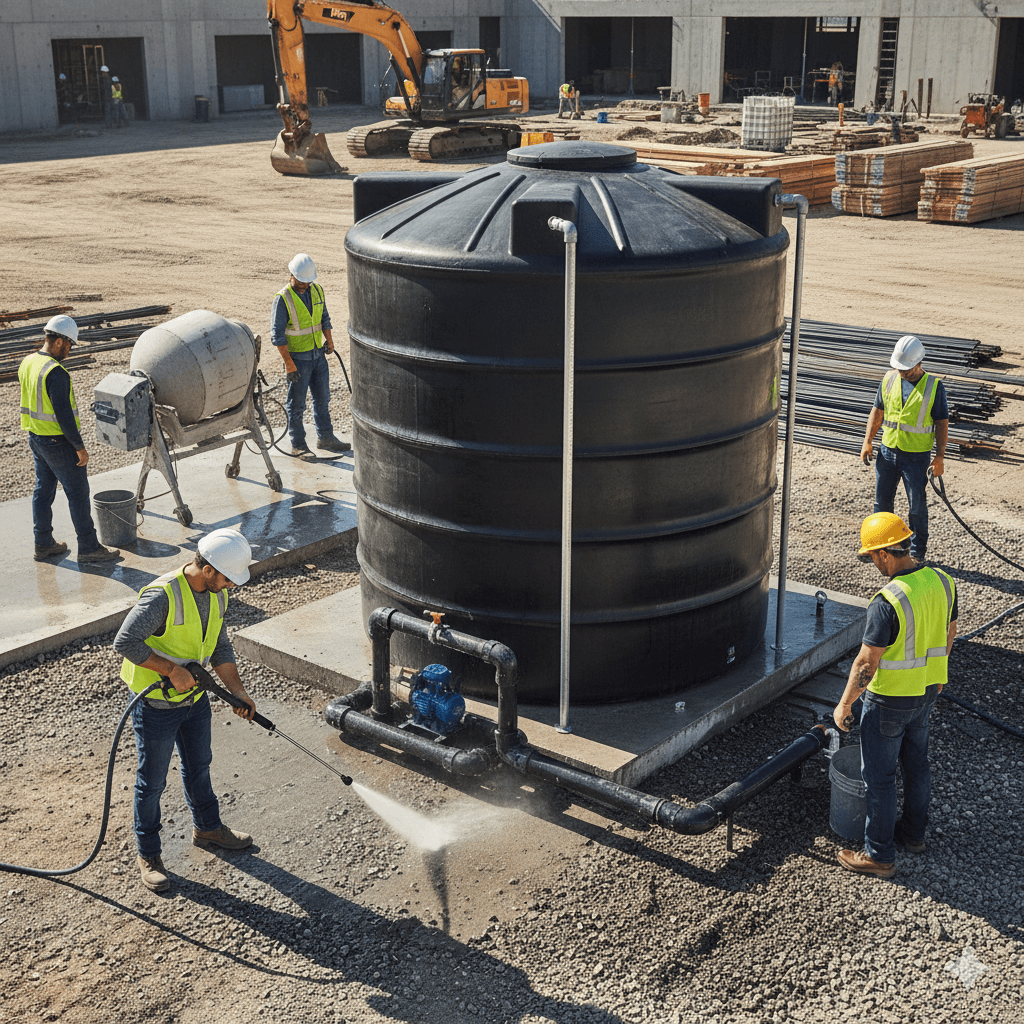
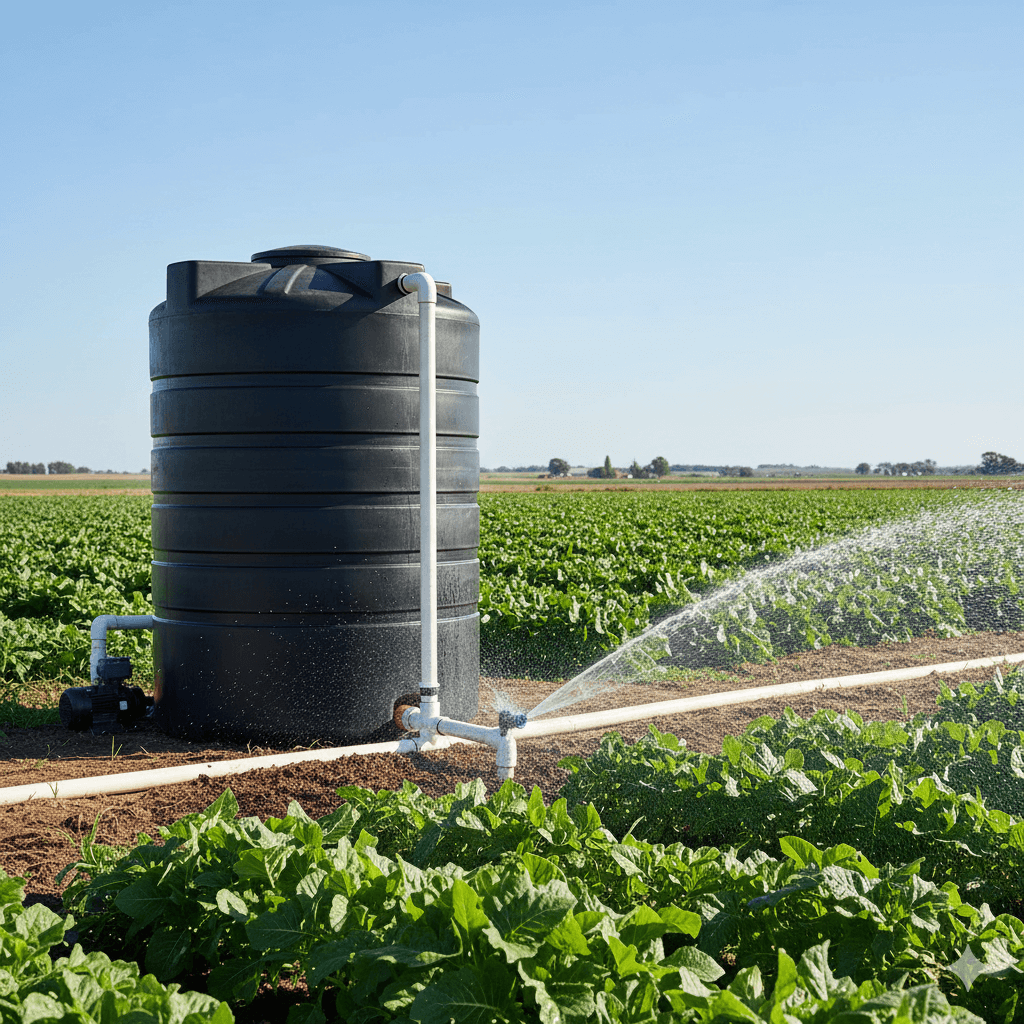
3. Agriculture and Irrigation
The Food and Agriculture Organization (FAO) recognizes water storage as essential for crop stability in areas with inconsistent rainfall. Farmers often use tanks of this size to maintain irrigation schedules.
4. Commercial Use
Car washes, construction sites, nurseries, and small factories frequently use 2000 gallon water tanks for operational continuity.
In short, it offers scale without becoming unmanageable.
Types of 2000 Gallon Water Tanks
Let’s talk materials. This matters more than people think.
1. Polyethylene (Plastic) Tanks
These are the most common.
Advantages:
- Lightweight
- UV-resistant (when manufactured for outdoor use)
- Cost-effective
- Corrosion-resistant
The FDA regulates materials used in potable water containers under food-grade standards. Always confirm that the tank is labeled “NSF/ANSI 61 certified” if you plan to store drinking water.
2. Steel Water Tanks
Steel tanks offer higher structural strength.
Pros:
- Durable
- Long lifespan
- Suitable for large-scale systems
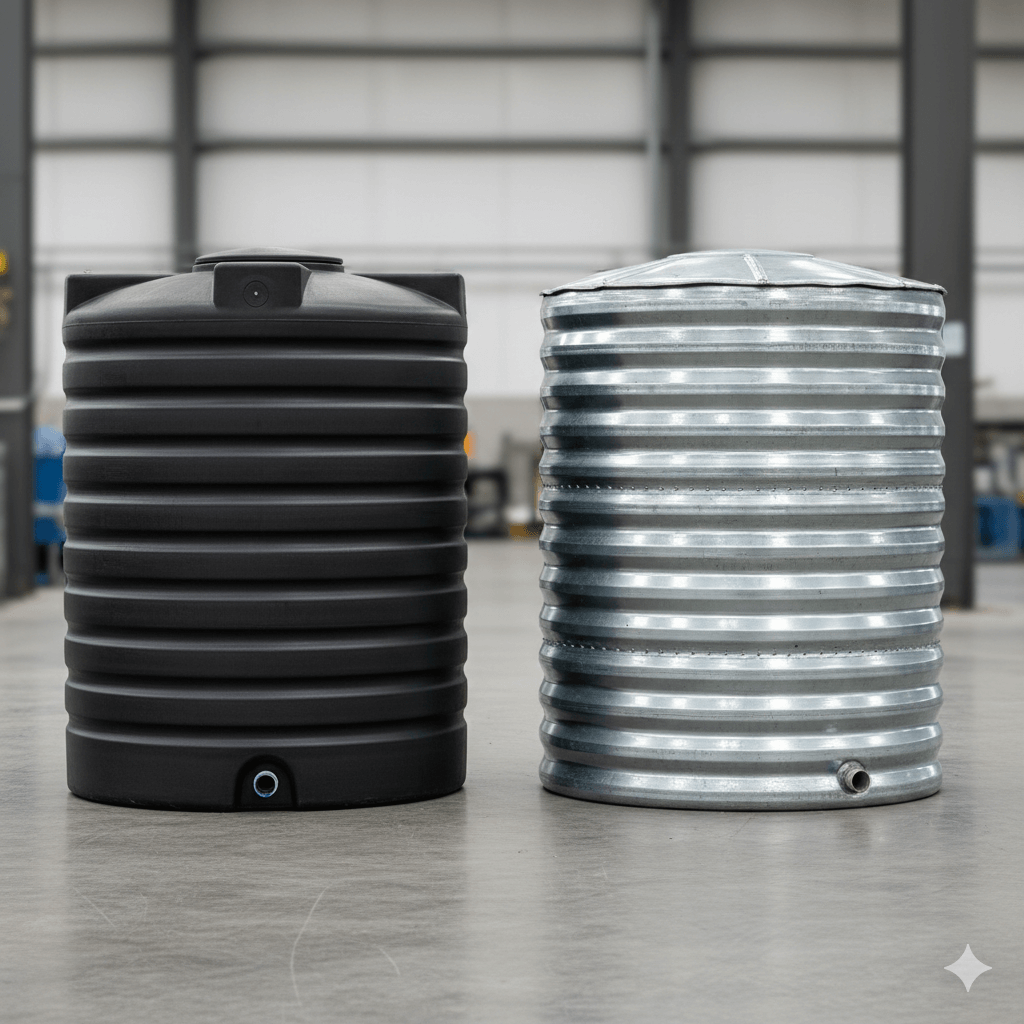
Many steel tanks include food-grade liners to prevent rust and contamination.
3. Fiberglass Tanks
Fiberglass provides strong chemical resistance and works well in industrial settings. These tanks usually cost more but handle temperature extremes better.
Choose based on usage, climate, and budget not just price.
Underground vs Above Ground Installation
You have two primary options.
Above Ground Tanks
Most homeowners prefer this option.
Benefits:
- Lower installation cost
- Easier maintenance
- No excavation required
Place the tank on a stable, level base. The EPA recommends proper drainage around storage systems to avoid contamination.
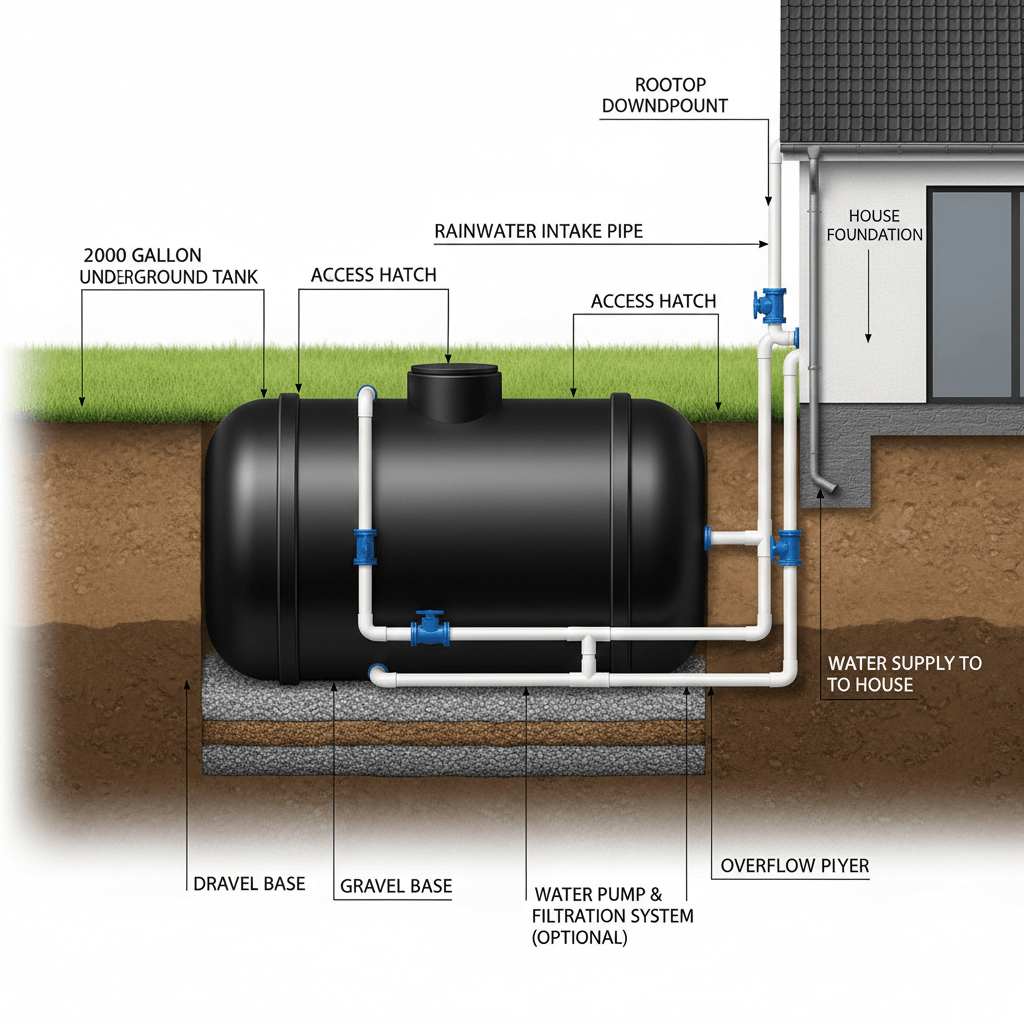
Underground Tanks
These save space and protect water from sunlight exposure.
However:
- Installation costs increase
- Engineering support may be required
- Local building codes may apply
Always check local regulations before installing an underground 2000 gallon water tank.
Dimensions and Space Requirements
A standard vertical 2000 gallon water tank typically measures:
- Height: 70–90 inches (varies by manufacturer)
- Diameter: 80–100 inches
Horizontal tanks differ in length and width.
Always verify manufacturer specifications before preparing your foundation.
Pro tip: Leave clearance for plumbing connections and inspection access. Future you will be grateful.
Cost of a 2000 Gallon Water Tank
Prices vary based on material and region.
On average in the U.S. market:
- Polyethylene tank: $1,000 – $2,500
- Steel tank: $2,000 – $5,000+
- Underground systems: Higher due to installation complexity
Installation, plumbing, pumps, and filtration add to total cost.
Avoid suspiciously cheap tanks. If the price feels “too good,” check certifications.
Water safety should never be a bargain experiment.
Is a 2000 Gallon Tank Safe for Drinking Water?
Yes , if you choose the right product.
Look for:
- NSF/ANSI 61 certification
- Food-grade material
- UV stabilization
- Sealed lid to prevent contamination
The Centers for Disease Control and Prevention (CDC) emphasizes that stored water must remain clean and protected from external pollutants.
If you plan to drink stored water, consider adding:
- First-flush diverters (for rainwater systems)
- Sediment filters
- UV purification or chlorination systems
Clean tank + clean collection system = safe water.
Maintenance Requirements
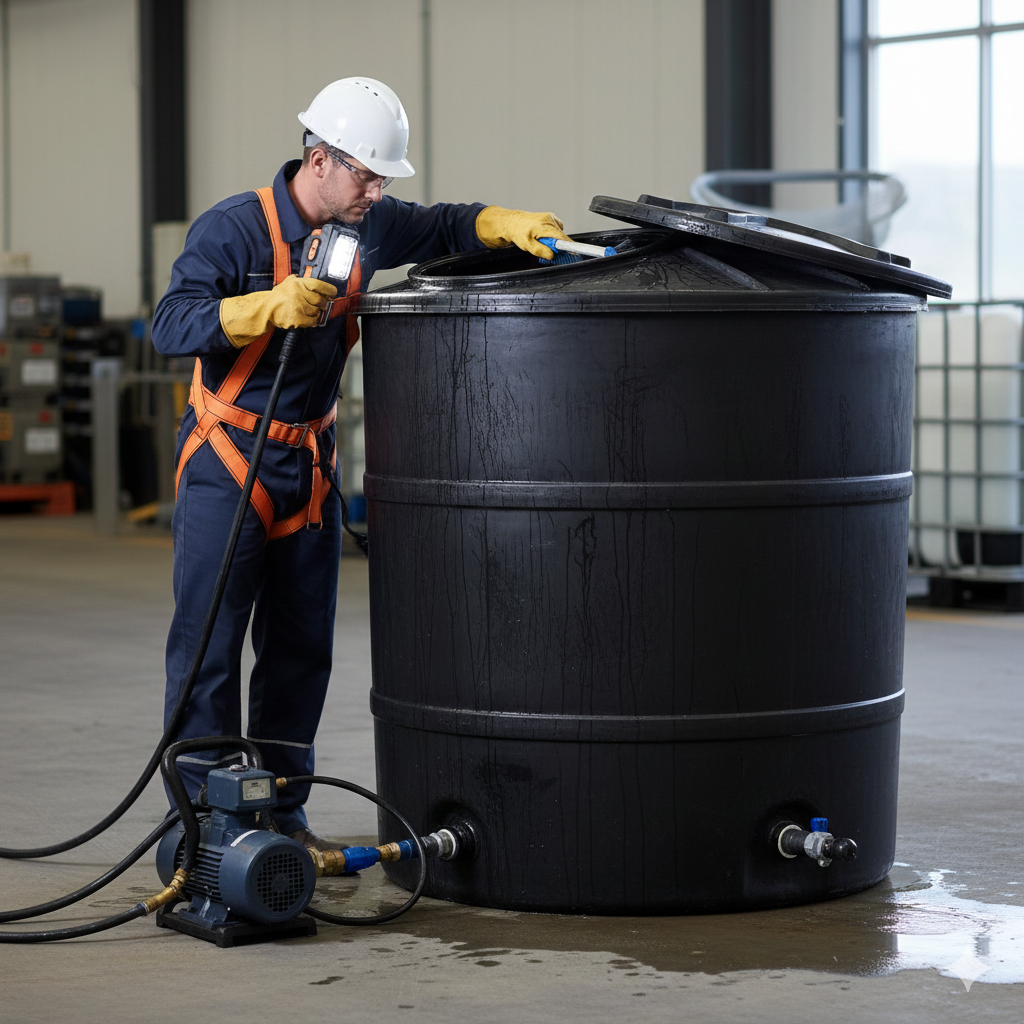
A 2000 gallon water tank requires regular care.
Basic Maintenance Checklist
- Inspect lid and vents monthly
- Clean interior annually (or as needed)
- Check for cracks or leaks
- Flush sediment buildup
- Monitor algae growth in sun-exposed tanks
The EPA advises routine inspection of rainwater harvesting systems to maintain water quality.
Good news? Maintenance is simple if done consistently.
Bad news? Ignoring it creates expensive problems.
Common Uses of a 2000 Gallon Water Tank
Let’s get practical.
Residential Uses
- Backup water supply
- Garden irrigation
- Livestock watering
- Fire protection reserve (where permitted)
Commercial Uses
- Construction water storage
- Car wash systems
- Pressure washing businesses
- Nurseries and landscaping
Agricultural Uses
- Drip irrigation systems
- Crop spraying storage
- Livestock operations
It’s versatile without being oversized.
Environmental Benefits
Water storage reduces strain on municipal systems.
According to the EPA, decentralized water management supports sustainability, reduces stormwater runoff, and lowers erosion risk.
Rainwater harvesting with a 2000 gallon water tank can:
- Reduce utility bills
- Decrease groundwater extraction
- Improve drought resilience
That’s not marketing hype that’s water management logic.
Installation Tips (That Save Money Later)
- Prepare a solid base — compacted gravel or reinforced concrete works best.
- Ensure level placement — uneven surfaces stress tank walls.
- Install overflow outlets — prevent structural damage.
- Use screened vents — block insects and debris.
- Plan plumbing layout before delivery.
Think ahead. Moving a full 2000 gallon tank is not a “weekend hobby.”
Regulations and Compliance
Water storage regulations vary by country and state.
Before installation:
- Check local building codes
- Confirm zoning rules
- Review rainwater harvesting policies
- Verify backflow prevention requirements
In some regions, authorities regulate connections between stored water systems and municipal supplies.
Always stay compliant.
How Long Does a 2000 Gallon Water Tank Last?
Lifespan depends on material.
- Polyethylene: 10–20 years (with UV protection)
- Steel: 20–30+ years (with proper coating)
- Fiberglass: Often 20+ years
Manufacturers usually provide warranty periods between 5–15 years.
Maintenance significantly impacts longevity.
Frequently Asked Questions
How heavy is a full 2000 gallon water tank?
Water weighs about 8.34 pounds per gallon.
2000 gallons × 8.34 = 16,680 pounds (about 7,566 kg).
That’s why foundation preparation matters.
Can I transport a filled tank?
No. Tanks should only be transported empty unless specifically designed for mobile use.
Do I need a pump?
If gravity flow works for your setup, you may not need one. However, many systems use pumps to maintain pressure.
Final Thoughts: Is a 2000 Gallon Water Tank Worth It?
If you value water security, agricultural stability, or sustainable resource management yes.
A 2000 gallon water tank provides serious capacity without becoming industrial-scale. It fits residential, agricultural, and commercial needs with flexibility.
The key lies in choosing certified materials, following installation standards, and maintaining the system properly.
Water supports life, business, and growth. Storing it wisely simply makes sense.
Sources
- U.S. Environmental Protection Agency (EPA) – Rainwater Harvesting Guidelines
- U.S. Geological Survey (USGS) – Domestic Water Use Statistics
- Federal Emergency Management Agency (FEMA) – Emergency Water Supply Recommendations
- Centers for Disease Control and Prevention (CDC) – Safe Water Storage Guidelines
- NSF International – Drinking Water System Component Certification (NSF/ANSI 61)
- Food and Agriculture Organization (FAO) – Agricultural Water Management Resources
Pingback: 10000 Gallon Water Tank: Complete Buying Guide for Homes, Farms & Businesses - PWB