
|
Getting your Trinity Audio player ready...
|
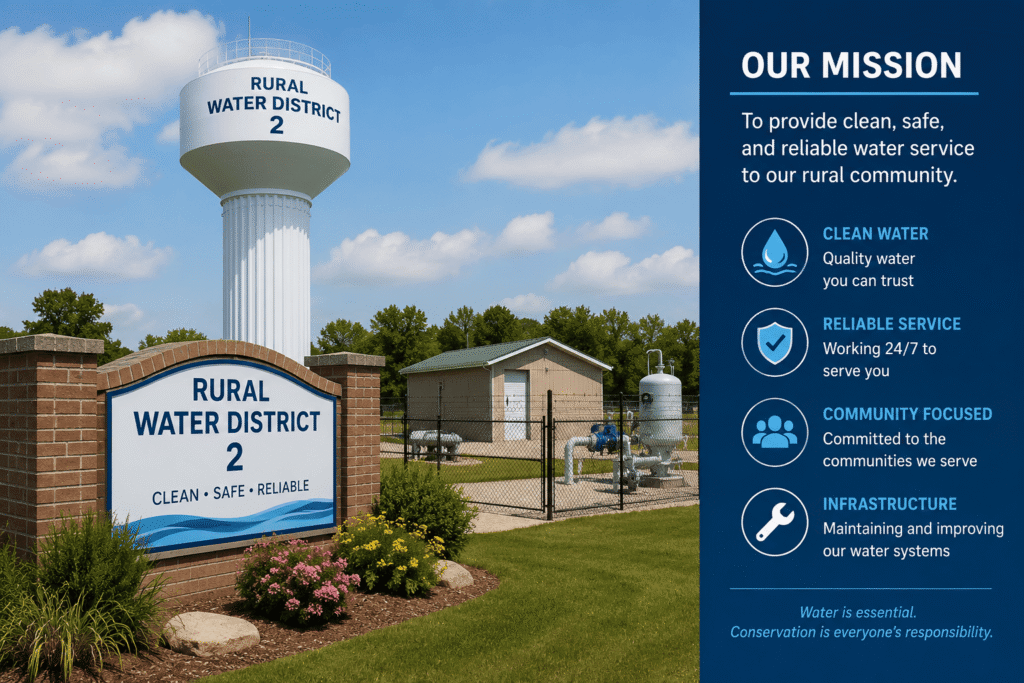
If you live outside a major city, there’s a good chance your water system runs through a rural water district.
And if you’ve searched for “Rural Water District 2,” you’ve probably noticed something confusing immediately.
There isn’t just one.
Dozens of counties and states across the United States have their own “Rural Water District 2.” Kansas has one. Oklahoma has several. Missouri, Texas, and other states use similar naming systems too.
So the phrase usually refers to a local public water utility serving rural homes, farms, and small communities.
These districts quietly handle one of the least glamorous but most important jobs in daily life: getting clean water to places that big city systems don’t always reach efficiently.
You only really think about them when:
- Your water pressure drops
- A boil advisory appears
- A bill arrives
- A pipe bursts in winter
- Construction crews dig up a road nearby
Otherwise, the system just works in the background.
That’s kind of the point.
In the vast landscape of public utilities, rural water districts often operate as the unsung heroes of infrastructure. Among these, Rural Water District 2 (RWD2) a designation used by several essential water utility providers across states like Kansas and Oklahoma stands as a prime example of community-owned resilience.
Whether serving the expansive 317 square miles of Miami County, Kansas, or the growing residential clusters of Creek County, Oklahoma, these districts share a singular mission: providing safe, dependable, and affordable water to areas where municipal lines don’t reach. This article provides an exhaustive exploration of RWD2’s operations, infrastructure, governance, and the modern challenges of maintaining rural water quality.
What is a rural water district?
A rural water district is a local public utility created to provide water service to rural or less populated areas.
Cities usually operate large centralized municipal systems. Rural areas often don’t have the population density or infrastructure funding for those same systems.
So counties or regional authorities form smaller districts instead.
These districts manage:
- Water treatment
- Distribution lines
- Maintenance
- Metering
- Billing
- Infrastructure repairs
- Emergency service interruptions
Some districts also handle wastewater or sewer systems, though many focus only on drinking water distribution.
Why are they called “District 2”?
Mostly administrative organization.
Many counties divide service areas numerically:
- District 1
- District 2
- District 3
- And so on
“Rural Water District 2” simply identifies a specific service region inside that county or utility structure.
It sounds generic because it is generic.
The exact location matters enormously though. Rural Water District 2 in Oklahoma operates completely differently from Rural Water District 2 in Kansas.
Different:
- Water sources
- Infrastructure age
- Billing systems
- Regulations
- Leadership
- Water quality conditions
Same naming style, entirely different operations.
How it got started
Rural water districts popped up across Kansas and the Midwest in the 1960s and 70s. Farmers and homeowners got tired of bad wells, dry spells, and hauling water. Federal loans through USDA helped get pipes in the ground.
Miami County RWD 2 formed to cover the bigger territory. It grew into the biggest by land area. Today it serves over 10,000 people directly plus wholesale to other systems. That scale brings real responsibility. One big break or treatment issue hits a lot of folks.
The district pulls surface water, treats it at their plant, then pushes it through hundreds of miles of mains. Not glamorous work. But when your livestock tank stays full or your kids can drink straight from the faucet, it matters.
Day-to-day reality on the ground
Pipes run through fields, under roads, and along fence lines. Crews handle leaks, meter reads, pressure checks. Winter freezes test everything. Summer spikes from irrigation and livestock push the system hard.
Jerry Bennett ran operations as general manager since 1991. That’s decades of steady hands on the wheel. The current board includes guys like Lyle Wobker as chairman, with terms stretching back years for some. Elected by the members. They meet second Monday each month at the office on Harmony Road in Paola.
You can show up. Minutes go public. This isn’t some distant utility. It’s your neighbors deciding rates and priorities.
What they deliver
Safe drinking water. The plant handles treatment so it meets all EPA and state standards. Recent reports show solid quality. They invest in upgrades too. One of the bigger water treatment investments by any rural district in Kansas came through here.
That means better filtration, modern processes, reliable supply even when demand jumps. They also sell wholesale to places like Johnson County RWD 7. Interconnections like that strengthen the whole network.
Pressure stays decent across the big territory. Not city-level constant, but reliable for rural lines. Meters track usage. Bills come monthly, lagged a bit, so check those dates when usage looks high.
Rates and the money side
They adjusted rates recently. Minimum around $27 a month, then per thousand gallons. Not the cheapest on earth, but covers maintenance, debt on infrastructure, and future upgrades. Board didn’t raise them lightly. Costs for chemicals, power, repairs keep climbing.
Members own it, so profits don’t disappear to shareholders. They go back into the system. That customer-owned model keeps priorities straight: reliable service over quarterly earnings.
High bill? Check for leaks first. Toilets, hoses, livestock tanks, softeners. Summer watering or winter drips add up fast. District folks point you in the right direction but won’t fix private lines.
Challenges they face
Big service area means long runs of pipe. More exposure to damage from farm equipment, weather, age. Maintaining all that costs real money and time.
Growth in the region brings more connections. Kansas City sprawl creeps south and east. More homes mean more demand. They plan for it.
Water treatment upgrades aren’t cheap. New regulations, better tech, replacing old equipment. The big investment they made shows they’re not kicking the can down the road.
Weather swings hit hard. Drought lowers source levels. Heavy rains bring turbidity that the plant has to handle. Freeze-thaw cycles crack lines. Standard rural water headaches, just on a larger scale.
Why customer-owned works here
Elected board keeps it accountable. You vote for directors. You can attend meetings. Voice concerns directly. No corporate middleman padding the bill.
Compare that to investor-owned utilities where distant shareholders come first. Or small towns struggling with their own systems. RWD 2 pooled resources across farms and homes. Strength in numbers.
It also spreads risk. One bad well or failing private system doesn’t doom a family. The district backbone delivers consistent supply.
Real impact on daily life
Farmers get water for cattle without hauling. Gardens and lawns stay green. Homes have reliable pressure for showers and laundry. Fire hydrants in some spots help protection.
Kids grow up without worrying about water quality the way earlier generations did with sulfur wells or shallow groundwater. That quiet reliability frees people up for everything else.
I talked to folks in similar districts over the years. The stories repeat. First year after hookup feels like winning the lottery. No more iron stains, no more low pressure in dry months, no more boiling or filtering everything.
Maintenance and emergencies
District handles main lines. You handle from meter to house. Common leak spots: toilets, outdoor faucets, livestock waterers. They post alerts on Facebook, their site, Twitter when work affects pressure.
Power outages or major breaks can drop service temporarily. They work to restore fast. Having backup plans and crew on call makes the difference.
Advice from their FAQ holds up anywhere: monitor your usage, fix small leaks quick, insulate pipes before deep freezes. Basic stuff that saves headaches.
Bigger picture for rural water
These districts proved critical. Without them, many rural counties would see population drain or expensive individual solutions. Miami County RWD 2 shows what works at scale. Professional management, member ownership, steady investment.
Kansas Rural Water Association helps with training, advocacy, shared knowledge. Districts aren’t islands. They learn from each other on treatment tech, rate setting, grant chasing.
Future brings more challenges. Aging infrastructure nationwide. Climate shifts. Rising costs. But models like RWD 2 have the structure to adapt. Board that lives in the area. Staff that knows the pipes personally.
If you’re in the area or thinking about it
Check the service map on their site. Office sits at 25290 Harmony Road, Paola. Phone 913-783-4325. Email for billing questions.
New connection? They have processes. Existing customer? Online bill pay, usage history, reports all there.
Water quality reports drop regularly. Read them. Know what’s in your tap. They meet standards, but transparency beats blind trust
How rural water districts work
Most rural water districts pull water from one or more sources:
- Lakes
- Rivers
- Reservoirs
- Groundwater wells
- Regional wholesale suppliers
That water gets treated and distributed through pipelines stretching across rural areas.
And rural systems can cover huge distances.
Unlike cities where homes sit close together, rural districts may run miles of pipe between relatively small numbers of customers.
That creates financial challenges constantly.
More infrastructure. Fewer people sharing the cost.
Why rural water systems matter so much
Reliable water changes everything for rural communities.
Homes need drinking water obviously. But rural districts also support:
- Farms
- Schools
- Volunteer fire departments
- Small businesses
- Livestock operations
- Community buildings
Without stable water systems, rural development slows down fast.
People sometimes underestimate how fragile rural infrastructure can be until severe weather hits.
One frozen line or damaged pump station can affect entire communities.
Water quality standards still apply
Some people assume rural systems operate with weaker standards.
They don’t.
Rural water districts still follow state and federal drinking water regulations, including testing requirements tied to the Environmental Protection Agency (EPA).
That includes monitoring for:
- Bacteria
- Nitrates
- Lead
- Arsenic
- Chlorine levels
- Chemical contaminants
Testing schedules vary depending on the size of the system and local conditions.
Water operators spend more time dealing with compliance paperwork than most customers realize.
A surprising amount of utility management involves forms, reporting deadlines, inspections, and lab coordination.
The “Public-Private” Hybrid
Most RWD2 entities are “customer-owned.” This means that every person who has a water meter in the district is technically a “member” or “patron” of the district. Unlike a private for-profit utility, any surplus revenue is reinvested back into the pipes, pumps, and treatment facilities that keep the water flowing.
Geographic Scope
Rural districts face a unique geographical challenge. While a city water department might serve 1,000 customers per square mile, RWD2 might serve only 2 to 5 customers per square mile. This requires miles of piping ($L$) to reach a relatively small number of meters, making the cost of infrastructure per capita significantly higher than in urban centers.
Infrastructure: The Engine Room of RWD2
The physical footprint of Rural Water District 2 is a complex network of storage and delivery. To maintain consistent pressure across rolling hills and flat plains, the district relies on three primary components:
A. Source Water and Treatment
Depending on the specific location, RWD2 may source its water from:
- Groundwater: Deep wells tapping into local aquifers.
- Surface Water: Treated water from nearby lakes or rivers.
- Purchase Agreements: Many districts, like Miami County RWD2, purchase treated water from larger municipal systems (like Kansas City) to ensure a consistent supply during droughts.
B. Storage and Pressure Management
Water towers are the most visible sign of the district. These elevated tanks use gravity to create pressure ($P$) throughout the lines. The relationship between height ($h$) and pressure is vital for ensuring that even the most remote farmhouse has enough flow for a shower:
$$P = \rho g h$$
(Where $P$ is pressure, $\rho$ is the density of water, $g$ is gravity, and $h$ is the height of the water column.)
C. Distribution Lines
RWD2 manages hundreds of miles of PVC and ductile iron piping. In rural areas, these lines are often subject to “soil shift” and “frost heave,” which can lead to leaks. Maintaining these lines requires constant monitoring and high-tech leak detection equipment.
Governance: By the People, For the People
The management of RWD2 is typically overseen by an Elected Board of Directors. This is the hallmark of rural water governance: transparency and local control.
- Board Meetings: Usually held monthly and open to the public.
- Decision Making: The board sets the water rates, approves infrastructure expansion, and hires the District Manager.
- Fiscal Responsibility: Because they are non-profit entities, the board’s primary goal is to balance the budget while maintaining a “Reserve Fund” for emergency pipe bursts or equipment failure.
Water Quality and Compliance
Safety is the non-negotiable priority for Rural Water District 2. Every RWD is subject to the Federal Safe Drinking Water Act and must meet standards set by the EPA and state-level health departments (e.g., KDHE in Kansas).
The Annual Consumer Confidence Report (CCR)
Every year, RWD2 publishes a Water Quality Report. This document lists:
- Detected Contaminants: Any trace amounts of minerals or chemicals found during testing.
- Compliance Status: Confirmation that the water meets or exceeds all safety regulations.
- Treatment Processes: Details on how the water is filtered and disinfected (usually via chlorination).
Tampering and Security
Protecting the water supply is a legal mandate. Unauthorized connections to fire hydrants or meters are considered tampering, a serious offense that can lead to fines and criminal charges. In the modern era, RWD2 also invests in cybersecurity to protect the automated “SCADA” systems that control pump stations.
Modern Challenges Facing Rural Districts
Running a water district in 2026 is vastly different than it was in the 1970s. RWD2 faces several pressing “macro” challenges:
Aging Infrastructure
Many of the original lines installed in the mid-20th century are reaching the end of their design life. Replacing these pipes requires massive capital investment, often funded through low-interest federal loans or USDA Rural Development grants.
Climate Change and Drought
As weather patterns become more volatile, water scarcity is a growing concern. RWD2 must implement Conservation Plans, which may include:
- Tiered pricing (higher costs for excessive lawn watering).
- Mandatory “Odd-Even” watering schedules during peak summer months.
- Investing in “Inter-Connects” with neighboring districts to share water during emergencies.
Urban Sprawl
As cities expand, rural areas are becoming “bedroom communities.” This creates a sudden spike in demand. RWD2 must upgrade small 2-inch lines to 6-inch or 8-inch lines to accommodate new housing developments—a process known as system reinforcement.
Information for Customers: Rates and Billing
For the individual patron, the most frequent interaction with RWD2 is the monthly bill.
| Fee Type | Description |
| Minimum Charge | A flat monthly fee that covers the cost of maintaining the system, even if no water is used. |
| Usage Rate | A “per 1,000 gallons” charge that fluctuates based on how much water the household consumes. |
| Benefit Unit | The initial “buy-in” cost to have a meter installed at a new property. |
How to Detect a Leak
High bills are usually the first sign of a leak. RWD2 recommends the “Meter Test”:
- Turn off all water inside the house.
- Check the “leak indicator” (usually a small triangle or star) on the face of the water meter.
- If it’s spinning, water is moving through the meter, indicating a leak in the service line or a running toilet.
Common problems rural water districts face
Aging infrastructure
A lot of rural water systems were built decades ago.
Pipes age. Pumps wear down. Storage tanks corrode.
And replacing infrastructure gets expensive quickly.
Large cities spread costs across millions of residents. Rural districts often spread those costs across a few thousand customers, sometimes fewer.
That math gets rough fast.
Water loss from leaks
Old underground lines leak constantly.
Some districts lose significant amounts of treated water before it even reaches customers.
The frustrating part is finding the leak.
A buried leak in a remote rural area can hide for weeks before crews pinpoint it.
Funding shortages
Infrastructure upgrades cost millions.
Many rural districts rely on:
- Federal grants
- State funding
- USDA rural development programs
- Loans
- Local rate increases
And rate increases always create tension.
Nobody likes higher water bills, especially in small communities already dealing with rising living costs.
Weather damage
Rural systems deal heavily with:
- Freezing temperatures
- Flooding
- Tornadoes
- Drought
- Lightning damage
- Power outages
A single winter storm can destroy pipes and water meters across huge service areas.
Rural repair crews sometimes spend days driving between scattered damage locations.
Staffing shortages
Small districts often operate with limited staff.
One operator may handle:
- Testing
- Repairs
- Emergency calls
- Maintenance
- Reporting
- Customer complaints
That workload gets intense during emergencies.
Especially in isolated areas where outside contractors aren’t immediately available.
Where rural water districts get their water
This depends heavily on geography.
Groundwater wells
Many districts rely on underground aquifers accessed through deep wells.
Groundwater often needs less treatment initially than surface water, but contaminants like nitrates or minerals can still become problems.
Surface water systems
Some districts pull from:
- Rivers
- Lakes
- Reservoirs
Surface water treatment usually requires more filtration and disinfection because contamination exposure is higher.
Heavy storms can dramatically affect water conditions almost overnight.
Regional wholesale suppliers
Some smaller districts purchase treated water from larger regional systems and distribute it locally.
That arrangement reduces treatment complexity but creates dependence on outside suppliers.
Why boil water advisories happen
People panic when they hear “boil advisory.”
Sometimes the risk is precautionary rather than confirmed contamination.
Advisories often happen after:
- Water main breaks
- Pressure loss
- System maintenance
- Storm damage
- Pump failures
Low pressure can allow bacteria or outside contaminants into the system temporarily.
Boiling water helps kill harmful microorganisms until testing confirms safety again.
And honestly, rural districts hate issuing advisories. It creates extra work, public frustration, and constant phone calls.
Fire protection and rural water systems
This part matters more than many people realize.
Rural fire departments depend heavily on water infrastructure:
- Hydrants
- Storage tanks
- Water pressure systems
In extremely rural areas without hydrants, tanker trucks sometimes shuttle water manually during fires.
Strong water infrastructure can literally affect emergency response survival rates.
Water meters and billing
Most rural districts meter usage similarly to city utilities.
Bills usually include:
- Base service fee
- Water usage charges
- Sometimes infrastructure or maintenance fees
Meter issues occasionally cause bizarre bills.
A hidden toilet leak can spike water usage dramatically before homeowners notice. People discover it only after opening a terrifying monthly statement.
Running toilets quietly waste incredible amounts of water.
Rural water districts and drought
Drought conditions hit rural systems hard.
Lower reservoir levels and stressed groundwater supplies force districts to consider:
- Water restrictions
- Conservation requests
- Emergency supply planning
Agricultural areas feel the pressure especially fast.
And drought politics get messy quickly when farms, households, and local governments compete over limited water resources.
Why water pressure changes happen
Customers often notice:
- Weak shower pressure
- Fluctuating flow
- Temporary outages
Common causes include:
- Line repairs
- Peak demand periods
- Pump problems
- Elevation differences
- Major leaks
Rural geography creates pressure management headaches cities don’t always face.
Supplying water uphill across long distances requires serious infrastructure planning.
Rural water districts and growth
Population growth sounds good until infrastructure gets overwhelmed.
New housing developments increase:
- Water demand
- Pipe expansion needs
- Storage requirements
- Maintenance demands
Some districts struggle balancing growth with aging systems.
Especially in rural areas suddenly becoming suburban commuter zones.
How customers can protect rural water systems
Small habits matter more than people think.
Report leaks quickly
Visible leaks waste treated water and increase system strain.
Even small roadside leaks deserve reporting.
Protect meters during winter
Frozen meters and pipes become expensive fast.
Insulation and proper winter prep help prevent emergency repairs.
Follow water restrictions during droughts
Outdoor watering restrictions exist for a reason.
During severe droughts, unnecessary use strains entire systems.
Avoid contaminating private plumbing
Backflow contamination can affect public systems under certain conditions.
Chemical sprayers, irrigation systems, and improper plumbing setups sometimes create serious contamination risks.
The future of rural water infrastructure
A lot of rural systems face difficult decades ahead.
Infrastructure installed generations ago needs replacement now. And replacement costs continue climbing.
At the same time:
- Rural populations shift
- Climate patterns change
- Water demand evolves
- Regulations tighten
Some districts are modernizing successfully with:
- Smart meters
- Leak detection technology
- Improved treatment systems
- Infrastructure grants
Others struggle financially.
The condition of rural water infrastructure varies wildly across the country.
Why people rarely notice good water systems
Because invisibility is success.
If a rural water district does its job properly:
- Water arrives clean
- Pressure stays stable
- Bills remain predictable
- Emergencies stay rare
Nobody celebrates functional infrastructure daily.
People notice immediately when it fails though.
Water systems are one of those strange pieces of modern life that quietly support almost everything else.
Conclusion
Rural Water District 2 is more than just a series of pipes; it is a community-driven effort to ensure that modern life is possible outside the city limits. By combining engineering precision with democratic governance, these districts provide the most fundamental resource on earth to those who live and work in the rural heartland.
As infrastructure ages and populations shift, the continued support and participation of the members are what will keep
RWD2 resilient for the next generation.
FAQs about Rural Water District 2?
What is Rural Water District 2?
Rural Water District 2 is usually a local public water utility that provides drinking water service to rural homes, farms, and small communities within a specific county or region.
Is there more than one Rural Water District 2?
Yes. Many states and counties use numbered water district systems, so multiple areas across the United States have their own “Rural Water District 2.”
What does a rural water district do?
A rural water district manages:
- Water treatment
- Water distribution
- Pipe maintenance
- Meter reading
- Billing
- Emergency repairs
- Water quality testing
Where does rural district water come from?
Water sources may include:
- Groundwater wells
- Lakes
- Rivers
- Reservoirs
- Regional wholesale water suppliers
The source depends on the local area.
Are rural water districts government owned?
Most rural water districts are public utilities or special local government districts created to serve rural communities.
Is rural water safe to drink?
Yes, rural water districts must follow state and federal drinking water regulations and testing requirements to keep water safe for customers.
Why do boil water advisories happen?
Boil advisories may happen after:
- Water main breaks
- Pressure loss
- Storm damage
- Equipment failure
- Maintenance work
They help protect customers until water testing confirms the system is safe again.
Why is my rural water pressure low?
Low pressure can happen because of:
- Pipe leaks
- Pump issues
- High water demand
- System maintenance
- Elevation differences
- Frozen pipes
How are rural water bills calculated?
Most districts charge:
- A monthly base service fee
- Water usage fees based on meter readings
- Sometimes maintenance or infrastructure charges
What happens if a water line breaks?
The district usually sends repair crews to locate and fix the damaged pipe. Temporary service interruptions or boil advisories may happen during repairs.
Can weather affect rural water systems?
Yes. Rural water systems are heavily affected by:
- Freezing temperatures
- Flooding
- Drought
- Tornadoes
- Power outages
Extreme weather can damage pipes, pumps, and storage systems.
Why do rural water districts raise rates?
Rate increases often help pay for:
- Pipe replacement
- Equipment upgrades
- Treatment costs
- Emergency repairs
- Infrastructure expansion
What should I do if I see a water leak near the road?
Report it to the local water district as soon as possible. Even small leaks can waste large amounts of treated water over time.
Do rural water districts handle sewer service too?
Some do, but many rural districts only provide drinking water service. Sewer systems are often managed separately depending on the area.
Why is rural water infrastructure expensive?
Rural systems cover large areas with fewer customers. That means long pipelines, expensive maintenance, and fewer households sharing the overall cost.
Usefull Links
https://www.ruralwater2mico.com
https://www.ruralwater2mico.com/contact