
|
Getting your Trinity Audio player ready...
|
By Muhammad Imran (Molecular Biologist)
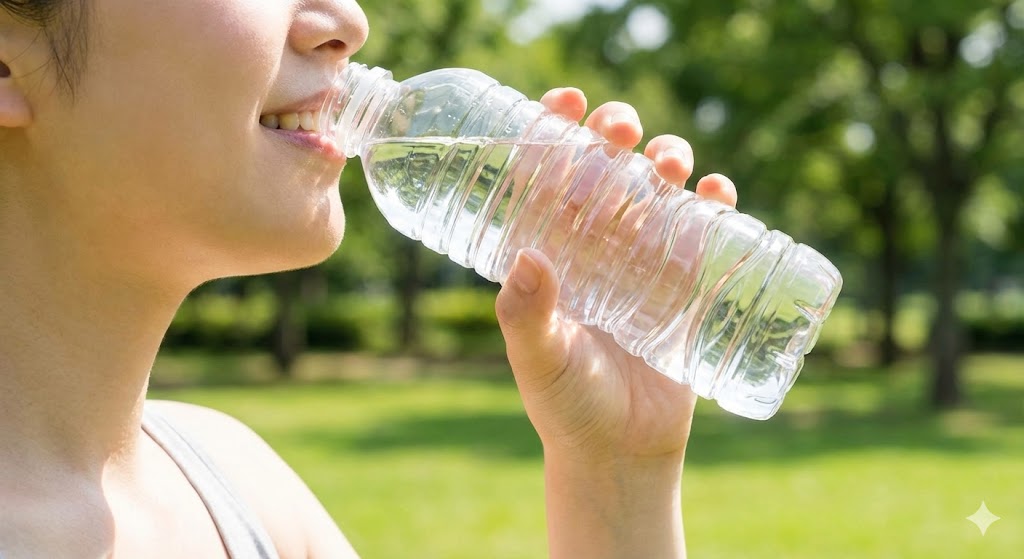
We live in a world where convenience often trumps health. You stop at a gas station, grab a cold plastic bottle, crack the seal, and drink. It feels refreshing. It looks clear. The label features pristine mountains and glacial springs, promising purity in its most elemental form. But as a Molecular Biologist who has spent years studying the interaction between synthetic materials and biological systems, I often find myself looking at that clear liquid with skepticism. The question most consumers fail to ask until it is too late is simple yet profound: is bottled water safe for long-term human consumption?
To answer this, we cannot simply look at the water itself. If we were analyzing the water at the source—the deep underground aquifer or the mountain spring—the answer would likely be a resounding yes. However, by the time that water reaches your lips, it has undergone a journey involving industrial filtration, plastic injection molding, warehousing, transportation, and fluctuating temperatures. It is no longer just water; it is a packaged product. And the packaging is where the problem lies. The modern hydration industry relies almost exclusively on Polyethylene Terephthalate (PET) plastic. While convenient and lightweight, PET is not an inert material. It is chemically active, especially under stress.
Recent studies from major institutions, including Columbia University and the State University of New York at Fredonia, have shattered the illusion of absolute purity. They found that a single liter of bottled water could contain hundreds of thousands of microscopic plastic particles. This revelation changes the entire conversation. We are no longer just asking about bacteria or viruses; we are asking about synthetic contamination. When you ask, is bottled water safe, you are really asking whether your body can handle a daily influx of microplastics and leached chemicals without consequence.
The Microplastic Invasion: What You Can’t See Can Hurt You
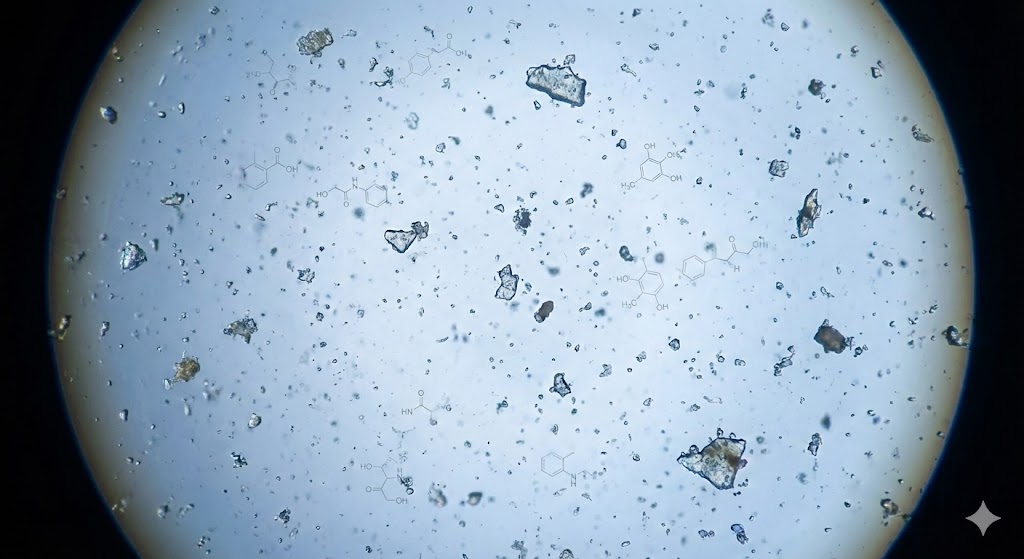
The term “microplastic” has become a buzzword in environmental science, but its implications for human biology are often misunderstood. When we talk about plastic pollution, we usually picture turtles tangled in nets or islands of trash in the ocean. However, the most dangerous plastic pollution is the kind you cannot see. Microplastics are fragments less than 5 millimeters in length, about the size of a sesame seed. But the real concern for biologists is “nanoplastics”—particles so incredibly small that they are measured in micrometers or nanometers.
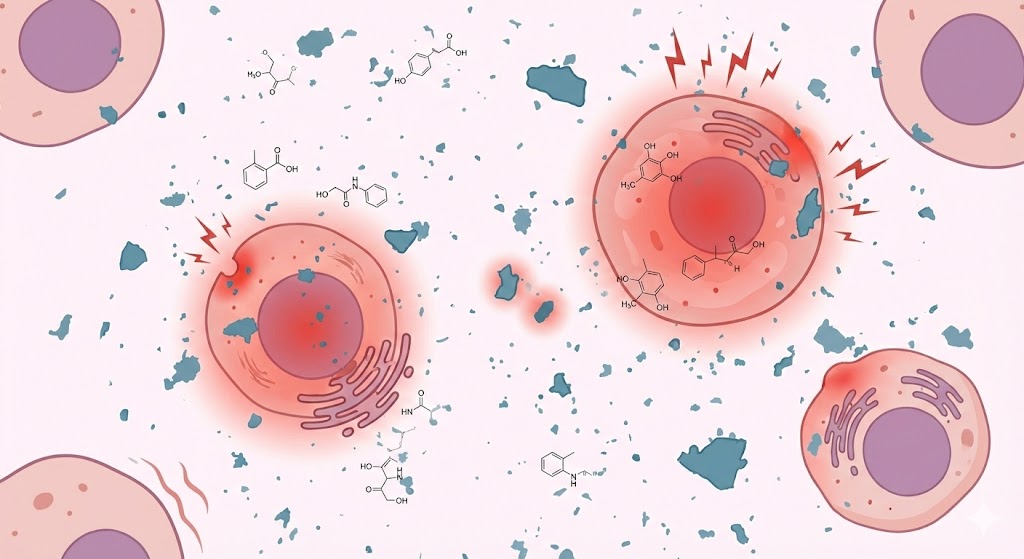
To put this in perspective, a nanoplastic particle is small enough to pass through the walls of your digestive tract and enter your bloodstream. Once in the blood, these particles can be transported to vital organs, including the kidneys, liver, and even the brain. They can cross the placental barrier, meaning unborn fetuses are now being exposed to plastics before they take their first breath.
Where do these particles come from? They originate from the bottle itself. Every time you squeeze the bottle, twist the cap, or expose it to sunlight, the plastic polymer degrades slightly. This degradation sheds millions of tiny particles into the water. So, is bottled water safe if it acts as a delivery system for synthetic polymers? From a cellular perspective, the answer is concerning. Our cells are designed to process organic matter—proteins, fats, carbohydrates, and minerals. They are not designed to process synthetic polymers. When cells encounter these foreign bodies, the typical reaction is inflammation. Chronic, low-grade inflammation is the root cause of many modern diseases, including autoimmune disorders and cardiovascular issues.
Chemical Leaching: The Cocktail of Additives
Plastic is rarely just pure polymer. To make a bottle clear, flexible, and durable, manufacturers add various chemical agents. These additives are not chemically bound to the plastic structure, which means they can migrate—or “leach”—into the water. This phenomenon is known as migration, and it is the primary reason why water stored in plastic often tastes different than fresh water.
One of the most common chemicals of concern is Antimony. Antimony trioxide is used as a catalyst in the production of PET plastic. It helps the plastic form its shape. However, studies have consistently shown that antimony leaches from the plastic into the water over time. The longer the water sits in the bottle, the higher the concentration of antimony. While the levels found in a single bottle might be below the legal toxicity limit, biology is about accumulation. If you drink three liters of bottled water a day for ten years, your cumulative exposure is significant.
Another chemical often discussed is Acetaldehyde. If you have ever opened a bottle of water and noticed a slightly sweet, chemical aftertaste, you are tasting acetaldehyde. While regulatory bodies categorize it as generally safe in low amounts, its presence is a clear indicator that the plastic is breaking down. It serves as a warning sign. If you can taste the plastic, you are drinking the plastic. This begs the question: is bottled water safe when it contains a cocktail of industrial byproducts? The regulatory standards are often based on acute toxicity (what kills you instantly) rather than chronic toxicity (what makes you sick over 20 years).
The Heat Factor: Why Temperature Matters
If there is one enemy of safe bottled water, it is heat. In countries with hot climates like Pakistan, or even during summer in the West, water bottles are frequently exposed to extreme temperatures. We have all seen cases of water bottles stacked outside gas stations in the scorching sun or left in the back seat of a car.
Heat acts as a catalyst for chemical reactions. In the world of polymers, heat increases the kinetic energy of the molecular chains, causing them to move and expand. This expansion opens up gaps in the polymer matrix, allowing chemical additives to escape more easily into the water. Research indicates that leaching rates skyrocket when temperatures exceed 30 degrees Celsius (86 degrees Fahrenheit). At 60 degrees Celsius—a temperature easily reached inside a parked car—the water can become a chemical soup within hours.
This thermal degradation is why the “freshness” of water matters. A bottle that was filled yesterday and kept cool is chemically different from a bottle that was filled six months ago and shipped in a hot container across the ocean. The expiry date on a water bottle is not for the water (water doesn’t expire); it is for the bottle. The date indicates when the structural integrity of the plastic is expected to fail. However, this date assumes perfect storage conditions. In reality, most supply chains are far from perfect. When determining is bottled water safe, you must consider the history of the bottle. How was it stored? How long has it been sitting there? Without this information, you are taking a gamble with every sip.
The “BPA-Free” Deception
In recent years, consumers have become savvy about Bisphenol A (BPA). BPA is a well-known endocrine disruptor, meaning it mimics the hormone estrogen in the human body. It has been linked to reproductive issues, developmental problems in children, and increased cancer risk. In response to public outcry, manufacturers rushed to label their products “BPA-Free.”
But here is the catch: “BPA-Free” does not mean “chemical-free.” It simply means the manufacturer used a substitute. Often, these substitutes are chemicals like Bisphenol S (BPS) or Bisphenol F (BPF). From a molecular standpoint, these substitutes are structurally very similar to BPA. They have to be similar to perform the same function in the plastic. Consequently, early research suggests they may have similar biological effects.
This is a classic case of “regrettable substitution,” where a known toxin is replaced by a lesser-known one that turns out to be just as harmful. Marketing campaigns use the “BPA-Free” label to reassure consumers, making them think the answer to is bottled water safe is a definite yes. But as a biologist, I see this as a false sense of security. We are trading one potential hazard for another, without addressing the root cause: the reliance on reactive synthetic materials for food and beverage storage.
Biological Consequences: Hormones and Gut Health
The human body is a finely tuned machine regulated by hormones. Hormones control everything from our metabolism and mood to our reproductive cycles and sleep patterns. Endocrine-disrupting chemicals (EDCs) found in plastics can interfere with this delicate system. Even tiny amounts of EDCs can confuse the body’s receptors. For example, xenoestrogens leached from plastic can bind to estrogen receptors, potentially leading to hormonal imbalances.
In men, high exposure to these chemicals has been correlated with lower testosterone levels and reduced sperm quality. In women, it has been linked to polycystic ovary syndrome (PCOS) and earlier onset of puberty in young girls. The effects are subtle and cumulative, often going unnoticed until they manifest as chronic health issues later in life.
Furthermore, we must consider the gut microbiome. Your gut is home to trillions of bacteria that play a crucial role in your immune system and digestion. Emerging research suggests that ingested nanoplastics may alter the diversity of this microbiome. Just as antibiotics can wipe out good bacteria, constant exposure to synthetic particles may create an environment where beneficial bacteria struggle to thrive. If your gut health is compromised, your overall health declines. Therefore, when evaluating is bottled water safe, we have to look beyond simple toxicity and consider the complex, systemic effects on our hormonal and digestive health.
The Alternative: How to Hydrate Safely
So, is the solution to stop drinking water? Absolutely not. Hydration is critical for life. The goal is not to fear water, but to optimize the vessel it comes in. The most effective way to eliminate the risk of microplastics and leaching is to change the material.
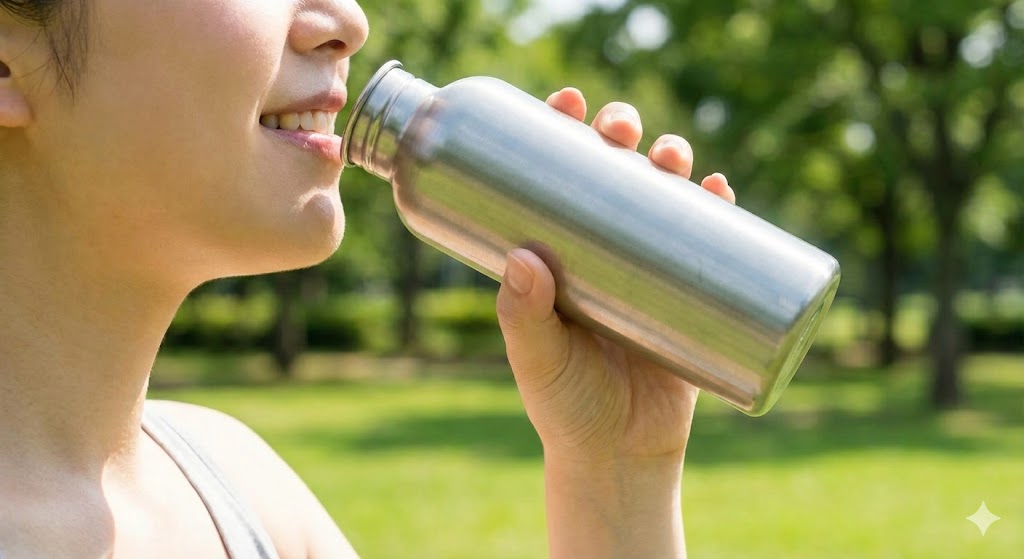
Glass and high-grade stainless steel (304 or 316 grade) are the gold standards for water storage. These materials are inert. They do not react with water, they do not leach chemicals, and they do not degrade under heat. A glass bottle left in a hot car might get warm, but the water inside remains chemically unchanged. Switching to a reusable stainless steel bottle is the single most impactful change you can make for your health and the environment.
For those situations where you must purchase bottled water, look for “short-chain” suppliers. These are local brands that bottle water and deliver it directly to consumers within days of production. The shorter the time water spends in plastic, and the less it travels (avoiding hot trucks and shipping containers), the safer it is. This is the philosophy behind fresh-batch production. By minimizing the contact time between the solvent (water) and the container (plastic), you significantly minimize leaching.
Ultimately, the answer to is bottled water safe is nuanced. If “safe” means it won’t kill you instantly, then yes, it is safe. But if “safe” means it is free from synthetic contamination and long-term biological risks, the science suggests otherwise. As we move forward, the intersection of biology and consumer choice becomes clearer: nature provided the perfect drink, but we must stop ruining it with imperfect packaging.
Frequently Asked Questions (FAQ)
Q: Is bottled water safe to drink if it has been left in a hot car?
A: It is generally not recommended. Heat accelerates the breakdown of chemical bonds in plastic, causing chemicals like antimony and acetaldehyde to leach into the water at a much faster rate. If a bottle has been hot, it is safer to use it for watering plants than for drinking.
Q: Does “BPA-Free” mean the bottle is 100% safe?
A: Not necessarily. “BPA-Free” only means the plastic does not contain Bisphenol A. It may still contain other chemical substitutes like BPS or BPF, which can have similar health effects. It also doesn’t prevent microplastic shedding.
Q: Can you filter microplastics out of tap water?
A: Yes, certain high-quality filtration systems can remove microplastics. Reverse Osmosis (RO) filters are very effective at removing particles down to the molecular level. Carbon block filters (0.5 micron or smaller) can also reduce microplastic content significantly compared to bottled water.
Q: How can I tell if my bottled water has degraded?
A: Trust your senses. If the water tastes “sweet,” “plastic-like,” or chemically harsh, it has likely suffered from leaching. Also, check the manufacturing date. Water consumed within 30-60 days of bottling is generally fresher and safer than water that has been sitting for a year.
Q: Is bottled water safe for infants and pregnant women?
A: Vulnerable groups like infants and pregnant women should be extra cautious. Because their bodies are developing, they are more sensitive to endocrine disruptors and microplastics. Using glass bottles or preparing formula with filtered tap water (boiled if necessary) is often the safer choice to minimize synthetic exposure.
Q: Which plastic number is the safest for single use?
A: Most single-use water bottles are made of #1 PET (Polyethylene Terephthalate). This is designed for one-time use only. You should never refill and reuse these bottles, as the plastic physically breaks down and bacterial growth becomes a risk. For reusable plastic, #5 (Polypropylene) is considered more heat-resistant and stable, though steel or glass is still superior.