
|
Getting your Trinity Audio player ready...
|
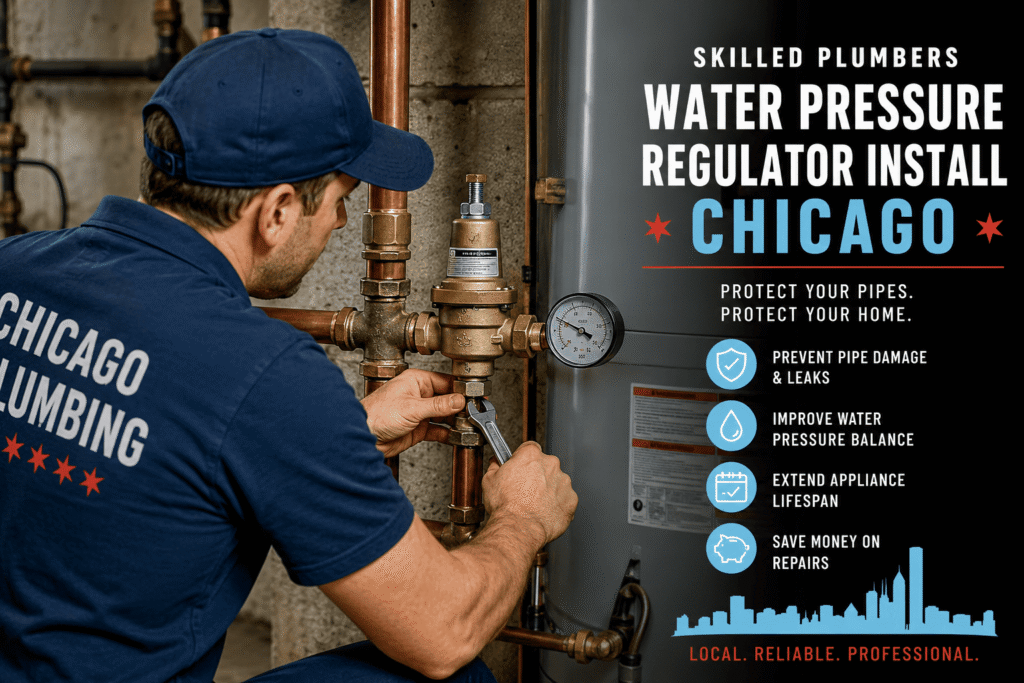
Maintaining a functional Water Pressure Regulator (WPR) also known as a pressure-reducing valve is essential in Chicago, where municipal water pressure can fluctuate and cause “water hammer” or damage to modern appliances.
This guide connects you with top-rated Chicago professionals and provides a breakdown of the costs and requirements for a standard installation in the Chicagoland area.
Top-Rated Plumbers in Chicago for Regulator Work
Based on 2025–2026 performance data and customer feedback, these companies are recognized for their expertise in pressure management and residential compliance.
| Company Name | Specialty | Neighborhoods Served |
| Ashland Plumbing & Heating | High-end residential & historic homes | Lakeview, Lincoln Park, Logan Square |
| Vanguard Plumbing & Sewer | Modern infrastructure & leak prevention | North Side, West Loop, Downtown |
| CJ Plumbing & Heating | Pressure boosters & complex valve systems | North Chicago, Evanston area |
| Kuhn Plumbing | Established since 1908; historic plumbing | City-wide / Historic Districts |
| Plumb It Best LLC | Emergency repairs & regulator swaps | South Side, Cicero, Midway area |
Installation Cost Breakdown (Chicago Market)
While the national average for a regulator installation is approximately $400, Chicago’s labor rates and permitting requirements typically place local estimates between $350 and $850.
Cost Factors:
- Standard 3/4-inch Residential Unit: $250 – $500 (Parts + Labor).
- Large Home/Multi-Unit (1-inch): $450 – $900.
- Accessibility: If the regulator is behind a finished wall or in a tight crawlspace, labor costs may increase by $150 – $300.
- Permits: Chicago’s “Express Permit” for plumbing repairs may add a small administrative fee, typically handled by the licensed contractor.
Why You Need a Skilled Plumber in Chicago
Chicago has one of the strictest plumbing codes in the United States. Hiring a “handyman” for a regulator install can lead to code violations or insurance denials if a leak occurs.
The Chicago Plumbing Code Advantage
- Material Compliance: Chicago requires specific lead-free copper or brass fittings that meet NSF/ANSI 61 standards.
- Thermal Expansion: A skilled plumber knows that installing a regulator creates a “closed system.” They will often recommend an Expansion Tank on your water heater to prevent the pressure relief valve from leaking.
- Permitting: For work involving the main supply line, licensed Chicago plumbers can utilize the Express Permit Program, ensuring the work is documented and legal.
Signs Your Current Regulator Has Failed
If you live in a Chicago bungalow or a high-rise and notice these symptoms, it’s time to call a professional:
- High Pressure: Water “blasts” out of the faucet when first turned on.
- Banging Pipes: Also known as Water Hammer, occurring when valves close.
- Leaking Faucets: High pressure wears out O-rings and cartridges prematurely.
- Whistling Sounds: A vibrating internal diaphragm in a failing regulator often creates a high-pitched noise heard through the walls.
Pro-Tip: The “Pressure Test”
Before hiring a plumber, you can verify the need for a regulator yourself. Purchase a simple water pressure gauge (approx. $15) from a hardware store and attach it to your outside hose bib or laundry sink faucet.
- Normal Range: 45 – 60 PSI.
- Danger Zone: If your gauge reads above 80 PSI, you are at high risk for pipe bursts and should schedule an installation immediately.
What a water pressure regulator actually does
A water pressure regulator, sometimes called a PRV (pressure reducing valve), controls the pressure entering your home from the city water line.
Without one, water can rush through your plumbing at 100 PSI or higher during pressure spikes. Most residential plumbing systems work best around 50 to 70 PSI.
The regulator keeps pressure stable.
That means:
- Faucets last longer
- Pipes stay under less stress
- Appliances run safer
- Water waste drops
- Leaks become less common
You’ll also notice smaller things. Toilets stop refilling like jet engines. Shower pressure feels smoother instead of violent. Pipes stop rattling every time someone runs the sink.
A good regulator quietly fixes problems you’ve probably been ignoring for years.
Why Chicago homes run into pressure problems
Chicago’s plumbing setup creates some unique headaches.
The city has a massive municipal water system, and pressure can vary depending on elevation, neighborhood infrastructure, nearby construction, and seasonal demand.
Older homes are another factor.
A lot of Chicago properties still use aging copper, galvanized steel, or mixed plumbing systems patched together across decades. Those systems weren’t built for constant high pressure from modern municipal lines.
Winter doesn’t help either.
Frozen pipes create stress points. Then spring thaw hits and pressure changes expose weak joints. That’s usually when leaks appear.
Skilled local plumbers know these patterns because they deal with them constantly.
What happens during a pressure regulator installation
Most homeowners picture a giant messy plumbing project.
Usually it’s pretty simple.
A licensed plumber starts by testing your home’s water pressure with a gauge. If readings consistently run too high, they’ll recommend a regulator installation or replacement.
The regulator gets installed near the main shutoff valve where water enters the home.
Here’s the typical process:
- Shut off the water supply
- Drain remaining water from pipes
- Cut into the main water line
- Install the regulator valve
- Adjust pressure settings
- Test the entire system
Most installs take 2 to 4 hours depending on pipe access and the age of the plumbing.
Older Chicago basements sometimes slow things down because pipe layouts can get weird. Some look like a plumber played Tetris in 1974 and never came back.
How much does water pressure regulator installation cost in Chicago?
Prices vary depending on the house and plumbing setup.
Most Chicago homeowners pay somewhere between $250 and $800 for installation.
A few things affect the cost:
- Pipe material
- Accessibility
- Valve quality
- Labor complexity
- Whether old plumbing needs replacement
Homes with corroded galvanized pipes may need extra work before installation.
And if your current regulator already failed and caused leaks, repairs can push costs higher.
Still cheaper than replacing burst pipes behind drywall.
Can you install a pressure regulator yourself?
Technically, yes.
Realistically, probably not a great weekend project unless you already know plumbing work.
You’re cutting into the main water line. One bad connection can flood a basement fast.
Chicago also has plumbing code requirements, especially for permit-related work in some areas.
A licensed plumber will:
- Set pressure correctly
- Check for existing plumbing damage
- Make sure fittings seal properly
- Verify code compliance
- Test the system afterward
DIY mistakes here usually get expensive in a hurry.
How long does a pressure regulator last?
Most quality regulators last 10 to 15 years.
Chicago water conditions can shorten that a bit depending on mineral buildup and sediment.
Signs a regulator may be failing include:
- Pressure swings
- Low water pressure
- Loud pipe noises
- Dripping faucets
- Pressure readings above target levels
A plumber can test it pretty quickly.
Sometimes the valve only needs adjustment. Sometimes replacement makes more sense.
Choosing skilled plumbers for water pressure regulator install Chicago
This part matters more than people realize.
Pressure regulators are simple devices, but bad installation creates long-term problems.
You want plumbers who:
- Work regularly with Chicago residential systems
- Understand older homes
- Carry proper licensing and insurance
- Explain pressure readings clearly
- Use quality regulator brands
- Test everything after installation
Cheap plumbing work has a way of becoming very expensive plumbing work.
Especially in older Chicago properties where one weak pipe can trigger three new leaks after pressure changes.
Questions to ask before hiring a plumber
A few quick questions can save you headaches later.
Ask things like:
- Have you installed regulators in homes like mine?
- What pressure level do you recommend?
- Will you test the system afterward?
- Do you warranty the installation?
- Which regulator brand do you use?
- Will permits be required?
Good plumbers answer directly.
If someone gets vague about pricing or avoids discussing pressure readings, keep looking.
Best pressure settings for residential homes
Most plumbers aim for around 55 to 65 PSI in residential systems.
That range keeps water flow comfortable without overloading pipes or appliances.
If pressure drops too low, showers feel weak and appliances may struggle.
Too high, and plumbing components wear out faster.
A properly adjusted regulator keeps things balanced across the entire house.
Pressure regulators and water heaters
Here’s something homeowners miss all the time.
High water pressure puts serious stress on water heaters.
Tank systems constantly expand and contract as water heats. Add excessive incoming pressure and the tank works harder than it should.
That can lead to:
- Leaks around fittings
- Relief valve discharge
- Premature tank failure
- Sediment issues
A regulator helps stabilize the whole system.
Some plumbers also recommend adding an expansion tank alongside the regulator for extra protection.
Commercial buildings and multi-unit properties
Pressure regulation matters even more in apartments, condos, and mixed-use buildings.
Multiple units create larger pressure fluctuations throughout the day.
Without regulation:
- Fixtures wear out faster
- Pipe noise spreads between units
- Leak risks increase
- Maintenance costs climb
Chicago property managers often install commercial-grade PRVs to protect older building plumbing systems.
Especially in buildings that already survived 80 winters and several questionable renovations.
Seasonal pressure changes in Chicago
Winter and summer can affect water pressure differently.
During colder months:
- Pipes contract
- Municipal demand changes
- Freeze risks increase
During warmer months:
- Water usage spikes
- Outdoor irrigation adds strain
- Pressure fluctuations become more noticeable
A properly functioning regulator smooths out many of those seasonal swings.
That consistency matters more than people think.
Common mistakes homeowners make
A few happen over and over.
Ignoring symptoms too long
People wait until a pipe bursts or the water heater leaks.
Pressure problems usually give warning signs first.
Buying the cheapest regulator
Cheap valves fail earlier and may not hold pressure consistently.
Confusing flow with pressure
Strong water flow doesn’t always mean correct pressure.
You can still have damaging PSI levels even if fixtures seem normal.
Skipping maintenance
Regulators should get checked occasionally, especially in older homes.
Sediment buildup can affect performance over time.
When replacement makes more sense than repair
Sometimes adjusting the regulator fixes the issue.
Sometimes the valve is simply worn out.
Replacement usually makes sense if:
- The regulator is over 10 years old
- Pressure fluctuates constantly
- Internal parts are corroded
- Leaks appear around the valve body
- Pressure won’t stabilize after adjustment
A plumber can usually tell pretty quickly during inspection.
Summary Checklist for Chicago Homeowners
- Verify License: Ensure the plumber is licensed by the City of Chicago (not just the state).
- Get a Quote: Ask if the price includes the “expansion tank” check.
- Warranty: Most Chicago pros offer a 1-year labor warranty on valve installations.
Final thoughts
Water pressure problems rarely stay small.
A tiny leak becomes water damage. Pipe stress becomes a burst line during winter. Appliance wear turns into expensive replacements.
A properly installed pressure regulator keeps your plumbing system calmer, safer, and more predictable.
And in Chicago, where older homes and fluctuating municipal pressure are common, that protection matters.
Hiring skilled plumbers for water pressure regulator install Chicago work gives you more than a new valve. It gives your entire plumbing system a better shot at lasting another decade without surprise disasters
Usefull links
https://plumbersden.com/guides/installation/pressure-regulator-installation
https://www.baethkeplumbing.com/blog/sump-pump/a-complete-guide-to-water-pressure-regulators/
https://www.pumpsandsystems.com/plumbing-system-water-pressure-regulators
https://www.mnsplumbing.com/plumbing-blog/the-ultimate-guide-to-water-pressure-regulators?